Inclusive Access to Health at UCSF Benioff Children’s Hospitals
Every child, adolescent, and young adult has the opportunity to achieve their optimal health and development.
Inclusive Access to Health (IAH) is a coordinated effort across UCSF Benioff Children’s Hospitals (BCH) to make pediatric care easier to reach and navigate, more responsive to the strengths and needs of patients, families, and communities, and better connected across the places where children, adolescents, and young adults receive care and support.
Through a shared approach, IAH brings together clinical and operational teams, patients, families, program leaders, and community partners to strengthen coordination, advance practical solutions, and reduce barriers to health and care. The work builds on the knowledge, cultures, strengths, and aspirations of the people and communities BCH serves.
What Inclusive Access Means
We work with patients, families, and communities to make care and services easier to reach, navigate, and responsive to their needs. We provide clear information, coordinate follow-through, and help people feel known and respected. We recognize the social, economic, cultural, and community contexts that shape health and build on the strengths and identities people bring to care. Through IAH, we organize this work around four connected access domains.
Building on Our History, Shaping What Comes Next
Both BCH Oakland and BCH San Francisco trace their origins to women healthcare providers committed to expanding access to care for children and families. In Oakland, the story dates to 1912, when nurse Bertha Wright and social worker Mabel Weed opened a pediatric clinic in a converted stable on an estate that would become the Baby Hospital. In San Francisco, the history traces back to the Pacific Dispensary for Women and Children, founded in 1875 to provide care to those who were underserved.
Today, we carry that commitment forward by partnering with patients, families, and communities to expand access, respond to changing needs, and improve children’s health. Through Inclusive Access to Health (IAH), we draw on our hospitals’ histories and the knowledge and experiences of the communities we serve to shape a more inclusive, equitable, and responsive future.
We use IAH as a shared framework to connect clinical care, community partnership, patient and family experience, innovation, and continuous learning. Together, we advance a common vision: every child, adolescent, and young adult has the opportunity to achieve their optimal health and development.
Our Four Access Domains
We ground Inclusive Access to Health in the One BCH Vision. Our four access domains reflect distinct parts of the patient and family experience and guide how we make care easier to access and navigate, more supportive, and more responsive to patient, family, and community input.

Everyday Access
Easy access that works for all patients and families.
Can patients and families get in the door?
We help patients and families reach appropriate care and support in timely, understandable, and practical ways. We make entry points easier to use, reduce language, technology, transportation, scheduling, and location barriers, and bring care closer to where children and families live, learn, and gather.
Examples in practice
- School-Based Health Centers - Bring health services directly to school settings, making it easier for young people to access care where they learn.
- Juvenile Justice Center (JJC) - Provides access to health services for young people in a juvenile justice setting, bringing care directly to youth who may face barriers to accessing services.

Navigating Care
Clear steps, coordinated and reliable care.
Can patients and families move through care?
We help patients and families move between providers, services, and settings with clear information, coordinated support, and reliable follow-through. We provide warm handoffs, explain next steps, and follow up after visits, tests, and transitions to strengthen continuity and make care easier to navigate.
Examples in practice
- Enhanced Care Management (ECM) - Provides structured care coordination for children and families with complex medical, behavioral, or social needs, connecting them with providers, services, and community supports.
- Special Start Neonatal Follow-Up Unit - Supports families after neonatal intensive care discharge, helping them navigate follow-up care and connect with services that support their child’s health and development.

Connected and Cared For
Care centered on you and your family.
Do patients and families feel supported and safe?
We listen to, respect, and support children and families throughout their care. We tailor care to their developmental needs, identity, culture, language, and family circumstances. Through supportive relationships and consistent follow-through, we build trust, belonging, and continuity over time.
Examples in practice
- Diabetes Transition Program, UCSF Madison Clinic - Supports adolescents and young adults as they prepare for and move from pediatric to adult diabetes care, emphasizing developmentally responsive relationships, continuity, and ongoing support.
- Integrated Mental Health - Provides coordinated, family-centered behavioral and mental health support within primary and specialty care, making it easier for children and families to access timely assessment, consultation, and treatment. The service brings pediatric and mental health expertise together to address emotional, behavioral, and developmental needs as part of a child’s overall health and well-being.

Engagement and Partnership
Care designed with patients, families, and communities.
Can patients, families, and communities help shape care and collaborations?
We invite patients, families, youth, and community partners to shape priorities and develop solutions together. Through partnership and shared learning, we strengthen collaboration with the communities we serve.
Examples in practice
- Food Farmacy - Connects families with food and related support through partnerships across health and community resources, responding to needs that extend beyond the clinic.
- Sickle Cell Center of Excellence - Brings people living with sickle cell disease, family members, and advocates together with clinicians, researchers, and policymakers to help shape priorities and strengthen coordinated care. Through its community advisors and partnerships with advocacy groups and community-based organizations, the center advances collaborative efforts to expand access, reduce disparities, and support culturally responsive care.
About Us
We bring together clinical and operational teams, patients, families, community engagement colleagues, program leaders, and community partners to advance Inclusive Access to Health.
We combine community knowledge and lived experience with patient and family perspectives, clinical expertise, evidence, and continuous learning. Together, we identify shared priorities, connect related efforts, uncover barriers and opportunities, and strengthen follow-throughs.
Our Core Team helps advance the strategy and coordinate work across BCH, working alongside the Inclusive Access to Health Council, program leaders, and partners across our health system and the communities we serve.
Core Team
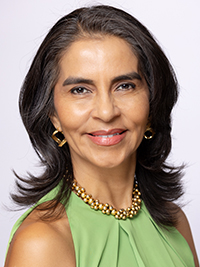
Alejandra Rincón
IAH Executive Director
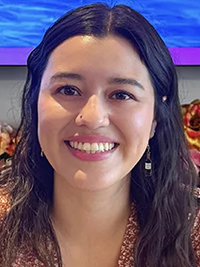
Esbeydy Pardo
IAH Operations Manager
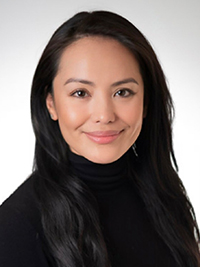
Stephanie Sario
IAH Assistant Director
IAH Advisors and Clinical Partners
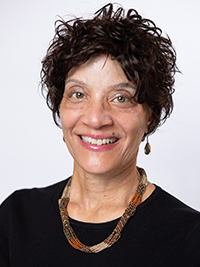
Marsha Treadwell
Faculty Pediatrics; Co-Director, UCSF Sickle Cell Center of Excellence
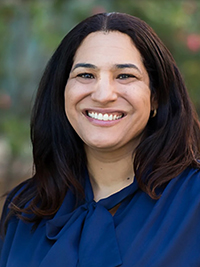
Dayna Long
Medical Director, IAH, UCSF Benioff Children's Hospitals
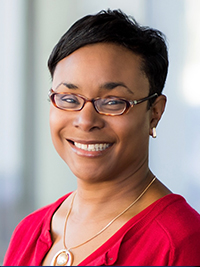
Lee Atkinson-McEvoy
Associate Chief Medical Officer, UCSF Benioff Children's Hospitals
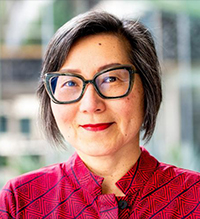
Wylie Liu
Assistant Vice Chancellor; Executive Director, CCE & Anchor Institution Mission, Office of Community & Government Relations
IAH Council
Through the Inclusive Access to Health Council, we bring people together across UCSF Benioff Children’s Hospitals to help create a more equitable and welcoming experience for patients, families, and staff. We listen, learn, and partner with teams across the organization to identify barriers, improve access, and support meaningful changes that strengthen care and belonging.
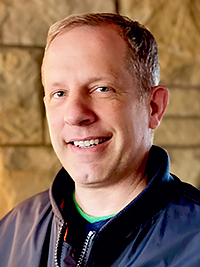
David Laquidara RN III
Co-Chair of Inclusive Access to Health Council
BCH Oakland Clinical Nurse III, PICU
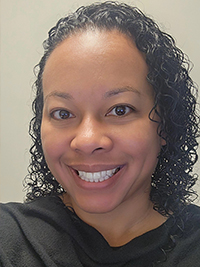
Karen Bell
Co-Chair of Inclusive Access to Health Council
BCH Cross-Bay Pediatric Outpatient Services Manager for Medical Specialties
Connect with Us
We welcome your questions, ideas, and interest in working together. Connect with our Inclusive Access to Health team to learn more about our strategy, explore partnership opportunities, or share perspectives that can help shape this work.
Explore Care and Services
We’re here to help you find care and support for children, adolescents, young adults, and families. Whether you’re seeking care for yourself, someone you care for, or a family you support, explore our programs and services for current information about care options, locations, appointments, referrals, and resources.